Greetings are the most useful Japanese you can learn. They are used all day and by everyone, and they make a good first impression with teachers and employers. Every phrase here is written in hiragana, which you can already read.
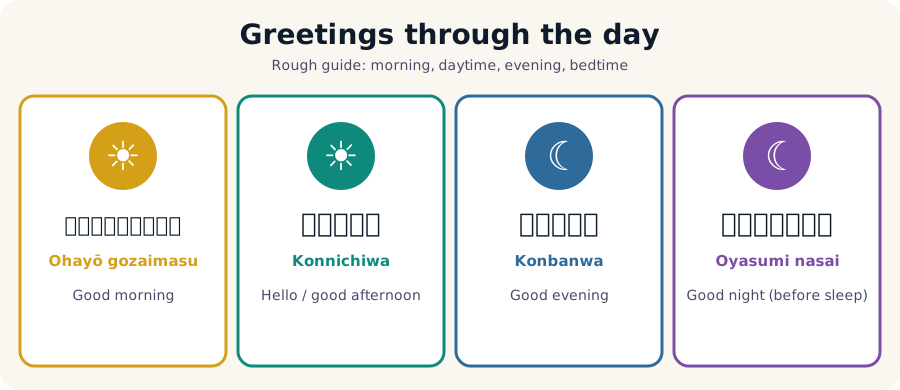
Japanese has different greetings for morning, daytime and evening.
Greetings through the day
| Japanese | Romaji | नेपाली | English | Listen |
|---|---|---|---|---|
| おはようございます | ohayou gozaimasu | शुभ प्रभात | good morning (polite); with friends: おはよう | ▶ |
| こんにちは | konnichiwa | नमस्ते (दिउँसो) | hello, good day (the last は is read wa) | ▶ |
| こんばんは | konbanwa | शुभ साँझ | good evening (the last は is read wa) | ▶ |
| おやすみなさい | oyasumi nasai | शुभ रात्रि | good night (before sleeping) | ▶ |
| さようなら | sayounara | बिदा / फेरि भेटौँला | goodbye (a more final goodbye) | ▶ |
| じゃあ、また | jaa, mata | फेरि भेटौँला | see you (casual) | ▶ |
Japanese has no single word for namaste. Use こんにちは in the daytime. In many Japanese workplaces people say おはようございます as the first greeting of the day, even when the shift starts in the afternoon.
Thank you, sorry, excuse me
| Japanese | Romaji | नेपाली | English | Listen |
|---|---|---|---|---|
| ありがとうございます | arigatou gozaimasu | धन्यवाद | thank you (polite); ありがとう with friends | ▶ |
| どういたしまして | dou itashimashite | केही होइन / स्वागत छ | you're welcome | ▶ |
| すみません | sumimasen | माफ गर्नुहोस् / हजुर (ध्यान तान्न) | excuse me, sorry, thank you for the trouble | ▶ |
| ごめんなさい | gomen nasai | माफ गर्नुस् | I'm sorry (more personal) | ▶ |
| おねがいします | onegai shimasu | कृपया | please (asking for something) | ▶ |
| だいじょうぶです | daijoubu desu | ठीक छ / हुन्छ | it's all right, no problem, no thank you | ▶ |
Meeting people
| Japanese | Romaji | नेपाली | English | Listen |
|---|---|---|---|---|
| はじめまして | hajimemashite | पहिलो पटक भेटेर नमस्ते | nice to meet you (first meeting) | ▶ |
| どうぞ よろしく おねがいします | douzo yoroshiku onegai shimasu | कृपया राम्रो सम्बन्ध राखौँ / सहयोग गर्नुहोला | please treat me kindly; said after introducing yourself | ▶ |
| おげんきですか | ogenki desu ka | तपाईं कस्तो हुनुहुन्छ? | how are you? | ▶ |
| はい、げんきです | hai, genki desu | हजुर, म ठीक छु | yes, I'm fine | ▶ |
| おなまえは なんですか | onamae wa nan desu ka | तपाईंको नाम के हो? | what is your name? | ▶ |
Home, meals and work
| Japanese | Romaji | नेपाली | English | Listen |
|---|---|---|---|---|
| いただきます | itadakimasu | (खानुअघि) धन्यवाद, म खान्छु | said before eating, to thank for the food | ▶ |
| ごちそうさまでした | gochisousama deshita | (खाएपछि) खाना राम्रो थियो | said after eating, "thank you for the meal" | ▶ |
| いってきます | ittekimasu | म गएर आउँछु | said when leaving home or the office | ▶ |
| いってらっしゃい | itterasshai | गएर आउनुहोस् | the reply: "go and come back safely" | ▶ |
| ただいま | tadaima | म आइपुगेँ | I'm back (home) | ▶ |
| おかえりなさい | okaerinasai | स्वागत छ, फर्कनुभयो | welcome back | ▶ |
| おつかれさまです | otsukaresama desu | (कामको बेला) तपाईंको परिश्रमको लागि धन्यवाद | a work greeting to colleagues: "thank you for your hard work" | ▶ |
| おめでとうございます | omedetou gozaimasu | बधाई छ | congratulations | ▶ |
When you do not understand
| Japanese | Romaji | नेपाली | English | Listen |
|---|---|---|---|---|
| わかりません | wakarimasen | मैले बुझिनँ | I don't understand | ▶ |
| もう いちど おねがいします | mou ichido onegai shimasu | फेरि भनिदिनुहोस् | once more, please | ▶ |
| ゆっくり おねがいします | yukkuri onegai shimasu | बिस्तारै भन्नुहोस् | slowly, please | ▶ |
| にほんごは すこし わかります | nihongo wa sukoshi wakarimasu | म अलिकति जापानी बुझ्छु | I understand a little Japanese | ▶ |
Bowing and manners
- A bow (ojigi) is part of the greeting. A small nod is fine with classmates. A deeper bow (about 30 degrees) is for teachers, bosses and customers.
- Do not shake hands unless the other person offers. The Nepali namaste gesture is understood and welcomed, but a bow is the usual Japanese way.
- When you take something from a person, use both hands and say ありがとうございます.
- It is polite to say すみません to get attention (a waiter, a stranger) as well as to apologise.
Dialogue: a morning at school
| Japanese | Romaji | नेपाली / English | Listen | |
|---|---|---|---|---|
| A | おはようございます。 | ohayou gozaimasu. | शुभ प्रभात। Good morning. | ▶ |
| B | おはようございます。 おげんきですか。 | ohayou gozaimasu. ogenki desu ka. | शुभ प्रभात। कस्तो हुनुहुन्छ? Good morning. How are you? | ▶ |
| A | はい、げんきです。 ありがとうございます。 | hai, genki desu. arigatou gozaimasu. | हजुर, ठीक छु। धन्यवाद। Yes, I'm fine. Thank you. | ▶ |
| B | よかったです。 じゃあ、また。 | yokatta desu. jaa, mata. | राम्रो भयो। फेरि भेटौँला। Good. See you later. | ▶ |
Every ▶ button plays a clear computer voice, which is good for learning sounds and rhythm but is not a native speaker. Pitch (the rise and fall of the voice) can sound a little flat. Also listen to real Japanese as often as you can: videos, news for learners (NHK Easy), and Japanese people around you.
Check yourself
Try to answer every question before you look at the answers.
- What do you say to a teacher in the morning?
- Which greeting is used in the daytime?
- Which phrase do you say before you start to eat?
- And after you finish eating?
- Which phrase means both "excuse me" and "sorry"?
- What do you say to someone leaving for work, in reply to いってきます?
- What do you say when you come home?
- How do you say "I don't understand"?
- How do you ask someone to say it once more, slowly?
- Which phrase do you say when you first meet someone?
Answers
Count your correct answers. If you got fewer than 7 out of 10, read the lesson again and listen to the audio once more.
- おはようございます.
- こんにちは (konnichiwa).
- いただきます.
- ごちそうさまでした.
- すみません.
- いってらっしゃい.
- ただいま (and the family replies おかえりなさい).
- わかりません.
- もう いちど おねがいします。 ゆっくり おねがいします。
- はじめまして (then your name, then どうぞ よろしく おねがいします).
Comments
Loading comments…